Hot horse world topics from my point of view! As a previous manager of a commercial boarding and training barn, and a current equine appraising and publishing professional – I have lots of experience in many facets of the horse world and I want to share them with you here!
These posts may contain affiliate links which means that I may receive compensation from purchases made through links. I will only recommend products that I truly believe in!
But Why a Children’s Book?!
This week I abruptly and somewhat randomly published The Horse Who Lost His Color. Was this on my March to-do list? No. Do I not have a million other things to-do? Oh yes, I certainly do. But anyone that knows me knows I love an impromptu passion project and The Horse Who Lost His Color was just that.
I wrote this little story years ago. I felt compelled to jot it down because the horse it is based on is like another child to me and I truly credit him with much of what my life has become. Because of him, I learned patience, passion, commitment, work-ethic and so much more. Horses in general kept me driven – I learned about setting goals and how to achieve them. So when I thought of this little story, I knew I wanted to share it one day but didn’t know when because one big hurdle stood in my way – illustration.
I can’t draw.
So what changed? Fast forward to now – one thing I love is cowboy art—usually cute little line sketches with great quotes on them. My sister told me I should try to create some of my own, however, I promptly reminded her that I can’t draw.
What she told me changed my whole perspective. She said “It doesn’t matter. Use AI.”
Obviously I’ve heard of AI, but I never used it, and I definitely didn’t know that you could literally use it to draw for you. Instantly, my gears were turning – forget about the cowboy art… I had a book that needed illustrating.
I spent 2-3 hours creating the illustrations, another 2-3 on formatting and publishing, and I had proofs in my hands in five days. With a timeline like that… why not publish a children’s book?
December 6, 2024
The Horse Market Wrapped: 2024
In January of this year, I wrote a blog post predicting what the horse market would become in 2024. If you’re unfamiliar with the post, I predicted that in 2024, we would see the horse market continue to cool off throughout the year, following the same trend towards the end of 2023. In January, I stated that I expected that by the end of the year, horse prices would be less at the end of the year than they were at the beginning of the year.
So, was I right? Partially.
I wanted to share with you all some cold hard numbers, so you can see for yourself that the market isn’t as crazy as it was at the peak of the pandemic. I’ve had a couple of horse dealers disagree with me this year and state that “the horse market is hotter than ever before”. Of course, that is what they want people to think, and from a business standpoint, I don’t blame them. However, that’s not what these statistics are about to show.
To preface, the following research is a reflection of the Western riding industry in the United States. I specifically chose to research stock horse sales; both recreational horses and show horses. While I did not specifically research or address the hunter, jumper, or dressage markets, I would expect them to follow a similar pattern.
In this study, I analyzed the fair market value of these horses on the national level by studying the public sale prices published by Professional Horse Services, LLC and the Quarter Horse Congress Super Sale. Professional Horse Services, LLC hosts internet horse auctions several times a year for Quarter Horses, Paints and Appaloosas in the ranch, performance, and trail (recreation) disciplines. I chose this site specifically because they have sale entries from all over the country—in any given sale you will see horses from Florida, California, Texas, the Dakotas and even into the Northeast. This variety in location allows me to create an understanding of fair market value across the country.
Before I really get into the analytics of national horse sales, let’s just start with the stats from the 2023 and 2024 Congress Super Sale. The Super Sale is held at the All-American Quarter Horse Congress each year in Ohio and is a show/performance horse auction that tends to attract mainly young stock. With the average sale price in 2023 being $18,901 and then $13,553 in 2024, we saw a 33% decrease in average sales price at the Congress Super Sale in just one year. While I did expect these sale prices to come down slightly, I was surprised to see them come down over 30 percent.
Now, where it really gets interesting is the sale price analysis from Professional Horse Service’s sales. Let me start with 2022 numbers; in December of 2022, their year-end auction brought an average sale price of $7,382. Fast forward to the year-end sale in 2023, the average sale price was $6147. Here, we can see where market horse sale prices had already come about down 17%.
But, this is where it really gets interesting! I predicted that we would see a gradual decrease in sales prices through 2024, and that is what happened for the first half of the year. We saw the average sale price at $5,186 this past January, and then all the way down to $3,588 in April of this year. This is a 52% market decrease since the end of 2023 which is a staggering change from the booming markets we saw in the last several years.
However, the trend did not continue, and the market started working its way back up. Yesterday concluded the year-end sale and sale price average is back up to $6,175; that is just a $28 difference from the end of 2023.
So, while yes, the market did drastically decrease in 2024, it also drastically increased in areas. The current sale prices are nowhere near where they were in 2022, but they managed to ebb and flow enough to hold steady throughout 2024.
In conclusion, the show horse market took the biggest hit in 2024, and the recreational western horse market managed to hold steady. Oh, and sorry dealers, the market is not as “hot as it has ever been”.
Do you dare to make any predictions about the horse market in 2025?
Exercising Stablemen’s Lien Laws in NYS
September 19, 2024
This week I saw yet another Facebook post from a worried farm manager who is dealing with an abandoned horse situation. The question posed being along the lines of “what do I do now?” was shot off to the masses and as we always see on the internet, everyone had an opinion. While I did also add in my two cents, which is quite rare for me, I want to make note that the above situation is a legal one; one where opinions hold no weight. I do not think that any advice givers had any mal-intent, and they wanted to see the best for the horse or the farm, but there is a legal process required for exercising a stablemen’s lien in NYS that should not be taken lightly.
Now, I will add in that I am not an attorney. Please do seek legal advice from an attorney if you are in a quandary and are in need of help. However, I owned and managed a boarding facility in NYS for 7 years before becoming an appraiser and experienced first-hand the process of exercising a stablemen’s lien – and boy a process it is.
So, if a horse is left abandoned at your facility and you would like to place a lien on the horse, this cannot be done until three months, or three months equivalent of back board is due. This is important to note because it is very common for horse owners to get behind on board and only pay a portion of what is owed to the farm. However, if this is ongoing, eventually back board will add up to being three full months behind—this is when you can start exercising a Section 183 Stablemen’s Lien in NYS.
This is where people start to get confused. Three months of unpaid bills does not mean that the farm can claim the horse as their own and do whatever they want with it. What legally has to happen next is the farm needs to send the owner a document called a Letter of Intent via Certified Mail. This letter of intent notifies the owner that the farm is exercising their right to the NYS Stablemen’s Lien and lets them know that they have 30 days to pay their debts.
If the owner still doesn’t pay their debts in 30 days, the farm still does not gain the right to do whatever they would like with the horse. This letter of intent must state that if the debt goes unpaid, the horse will be sold at public auction to recoup the balance owed. The farm legally can’t just keep the horse, and they can’t sell them privately either—an advertised public auction is the only legal process for this situation.
When I was dealing with a situation that involved me exercising my right to a stablemen’s lien, the owner was a licensed Thoroughbred trainer (which was good news for me). In this situation, I also notified him in his letter of intent that I would be reporting him to the NYS Gaming Commission, which would barre him from racing any of his horses until his debts were paid. This benefitted me because he did not want to be barred from racing; consequently, he promptly paid me the thousands and thousands of dollars that he owed me and removed his horses from my facility. A happy ending for everyone if you ask me.
Now, if he had gone the 30 days and still failed to pay, I would have been forced sell all four of his horses via public auction. If the horses sold for more than I was owed, than legally I would have had to send the extra back to the owner. Reversely, if the price of the horses did not cover the debt owed I could then still pursue a him in small claims court for the balance.
When it comes down to it, dealing with abandoned horses and bad owners isn’t so simple. Truthfully that is why a lot of people get away with skipping out on their board bill—it’s quite a bit of time and resources for a farm to exercise their right to stablemen’s lien.
In fact, some legal professionals like those at Equine Legal Solutions don’t even recommend placing liens on horses. They recommend letting the horses leave the facility, so they aren’t taking up space for a new paying customer, and instead taking the owner to claims court. So there ARE options—just doing whatever you desire isn’t one of them.
I hope this helps some farm owners gain a better understanding of what can be done when a horse is left abandoned at your facility. It’s not a fun situation but remember, this too shall pass!
Three Ways to Keep Your Horses Value from Depreciating
August 1, 2024
Hey horse owners, did you know that your horse doesn’t just maintain their value all on their own? In fact, without us humans consistently paying for their care and training, horses have the potential to de-value rather quickly.
Think of value in similar light to how we think of physical fitness. It takes months and months to build up muscle and stamina, yet just a few days off can set your improvement back by weeks. It is torturously unfair. Now, replace fitness with equine value and we’ll see a very familiar pattern—it takes a long time and a lot of money and resources to significantly improve a horse’s value; and in the same breath, their value can depreciate rapidly, and sometimes, in the blink of an eye.
The average horse owner doesn’t have the resources to significantly improve their horses value, but what they can do is keep them from depreciating. The three main things to focus on when maintaining a horse’s value would be:
- Basic Health and Preventative Care
- Mental and Physical Fitness
- Soundness Maintenance
Let’s address these one by one to examine what you can do as a horse owner to keep your horse from depreciating in value.
- Basic Health and Preventative Care
I do feel like this should go without saying but the first and foremost thing you should be doing as a horse owner is maintaining your horse’s health through preventative care. Hooves should always be trimmed and cared for, teeth should be floated, vaccines and Coggins should remain up to date and grooming should be reasonably maintained. Just think logically—if a buyer is in the market for a new horse and finds one that they like but their hooves are long, teeth haven’t been floated in years and has an expired Coggins, you can bet they will be making an offer far below the sellers asking price—and they should!
If a horse develops a cough, skin condition, or metabolic disorder, the issue should be addressed, medicated, and cared for appropriately. Minor health issues should not significantly impact a horse’s value, but left unchecked they have the potential to.
- Mental and Physical Fitness
Back in my days of taking sale horses on consignment, my biggest pet peeve was speaking to a new client that couldn’t understand that an unfit horse is a hard horse to sell. One case in particular sticks out in my mind—a Thoroughbred gelding that hadn’t been ridden or worked in three years and an owner that couldn’t understand why no one would pay the him the same price he bought the horse for. Not only was this horse physically unfit, but who knows where he was in terms of his training; and with an owner unwilling to pay for any training or schooling, this horse was tough to sell. Had this horse at least been kept fit, even if not advancing in training, he would’ve been much more marketable and desirable.
Now in terms of mental soundness and fitness, I have seen time and time again, people mismanage horses and turn a happy horse into a loony toon and consequently devalue them. Far too often you’ll see a horse owner blame who they bought the horse from for misrepresentation. While yes, there are sketchy horse traders out there, no, most of them are not trying to swindle you—it is simple fact that horses will behave differently in different environments. So, if you find your horses disposition going downhill and in turn negatively affecting their value start searching for new management practices that can help your horse get back to happy and healthy.
- Soundness Maintenance
Again, I feel this should go without saying, but to maintain your horses value, you need to maintain their soundness.
That means providing appropriate maintenance when needed—special shoeing, joint injections, improving their topline; whatever it takes to keep the horse reasonably sound and comfortable. The value of a lame horse, even with a great prognosis is low (relatively). No one is out there looking to spend money on unsound horses—I can promise you that.
While horses can tend to be fragile and prone to injury, do your best to prevent catastrophic injury in the pasture as well. While I am a big believer in the fact that horses should be and deserve to be living outside most of the time, one bad pasture injury can make a horse worth pennies in an instant.
One last point I would like to mention, mostly for the people that are selling horses for a living, your own reputation as a horseman and salesman will come into play when you are selling your horses. If you have a habit of being dishonest with your clients, and that becomes your reputation, your name will devalue your sale horses all its own. Remember that.
In conclusion, keep your horse physically and mentally healthy and you’ll be able to prevent them from actively depreciating!
Breed Inspections… Should More Registries Implement Them?
Responsible breeding has been weighing heavy on my mind in the last couple months. In my area alone, there have been two severe equine neglect cases within a matter of weeks. I cannot help but think that there must be a better way to encourage responsible breeding practices—if breeders were held to a standard, neither of the neglect cases I’ve witnessed recently would have ever happened (of course among other variables).
Statistically, the majority of horses that end up unwanted in the United States are Thoroughbreds and Quarter Horses. There are over one-hundred breeds of horses represented in the United States, and these two breeds alone hold forty percent of the unwanted horse population in the country (Weiss et al., 2017). Being that these two breeds are the most likely to end up unwanted, naturally I am led to believe that they are either being overbred or poorly bred, or both.
In a way, it makes sense that Thoroughbreds and Quarter Horses are the most unwanted because they are also the most common and prevalent breeds in North America (Cochran, 2023). But still, I think “why?”. Why are these breeds so common? Yes, they are great horses, skilled athletes, and lovable companions, but so are many other breeds of horses.
The Jockey Club and the AQHA both have processes in place to promote the betterment of their breeds. The Jockey Club, for example requires that all horses are bred by live cover only. The JC claims that this helps to both control the population and preserve the integrity of the breed. The AQHA on the other hand promotes responsible breeding by offering readily available genetic testing and databasing of DNA. I do believe that both organizations truly do want to see their respective breeds continually evolve for the better, but clearly there is something that can be done even more so to keep these horses from becoming unwanted.
When you lump them together, Warmblood breeds make the list of top ten most common breeds in the US (Cochran, 2023), yet they don’t even register on the list of unwanted horse breeds. Naturally, I ask, what are warmblood people doing right that Thoroughbred and Quarter Horse people are doing wrong? I think that the answer here is breed inspections and approvals.
Let’s use Oldenburg Horses as an example. They are common in the United States and are considered to have one of the loosest Warmblood stud books. To put it simply, the Oldenburg registry will add any horse, that will contribute to the betterment of the breed – i.e. it will add to the athleticism, disposition, and confirmation of the sport horse. For a horse to become a registered Oldenburg, they must pass an in-person inspection, whether that be for mares, foals, or stallions no matter their parentage. This inspection process allows the Oldenburg registry to have eyes on every single horse that it is admitting and truly enforces that only the best of the best will make it to the registry.
Are these strict registry practices what keep people from over breeding and poorly breeding? I certainly think so, and to be frank, I think that the Jockey Club and AQHA can learn a thing or two. While the AQHA requires breeding stallions to DNA type and genetic panel as well as file stallion breeding reports every year, that is the only thing that qualifies them as breeding eligible; breeding stallions registered through the Jockey Club have very similar requirements.
I think the sheer volume of Thoroughbreds and Quarter Horses would pose as a barrier to implementing some sort of inspection system, however, I am sure that it could be done. I suspect that breeders who are truly committed to bettering their respective breeds would jump at the chance to have their breeding stock inspected, and reversely backyard breeders will almost automatically shy away from the process and expense of inspections and eventually dwindle out of the breeding industry.
Initially this would be a massive undertaking for both registries but in the long run it would help to not only create more high-quality animals, but also avoid low quality breedings, and in turn, contribute less horses to the unwanted horse crisis. As someone who has personally, bred Quarter Horses, I think that this is a great idea, and I would have been more than willing to have my mares inspected and breed to inspected stallions.
Let me know what you think! Or do you have any other ideas that could help minimize the occurrence of unwanted horses?
References
Cochran, C. (2023, December 20). Top 14 Most Popular Horse Breeds in North America. Mad Barn. https://madbarn.ca/popular-horse-breeds/
Weiss, E., Dolan, E., Mohan-Gibbons, H., Gramann, S., & Slater, M. (2017, July 20). National Library of Medicine. https://www.ncbi.nlm.nih.gov/pmc/articles/PMC5532568/#:~:text=Simple%20Summary,are%20held%20on%20federal%20lands.
My Three Favorite Equestrian Podcasts: Knowledge and Inspiration Everywhere You Look
Ok fellow podcast lovers, listen up!. In the last two years I have become increasingly obsessed with equine business podcasts to the point where I have podcast goals myself. I feel like podcasts are so underrate! It is amazing that you can learn so much free information at your own pace from completely credible sources. I would dare to call myself a serial entrepreneur and obviously am quite passionate about equine business—I will learn and listen to anything and everything in these two areas to help myself become a better businessperson.
Personally, I love listening to podcasts while I drive (which I surely do plenty of) and right now there are three that I just can’t get enough of.
Equestrian B2B
The interview format of this podcast is what enabled me to find it; Dr. Karin Bump, who was a professor of mine at Cazenovia College was a guest on the show. I look up to and am incredibly inspired by Dr. Bump so when she shared on her socials to check out her interview on the Equestrian B2B podcast I was quick to oblige and was immediately hooked.
This was the first podcast that really got me hooked. I am not kidding you, when I found this podcast, I went back and listed to every single episode. On this podcast, the co-hosts and equestrian businesswomen, Jennifer Wood and Jennifer Connor bring together industry leaders, entrepreneurs, and equestrians for discussions on how they build and sustain successful businesses.
Since then, I have listened to interviews about some of the most amazing and unique businesses all over the world. I have learned about women who are absolute business gurus, and others who have overcome amazing odds to rise to the top. Did you know there are businesses that trek people across the Mongolian Desert, or have you ever learned about what makes polo barns unique? Yeah, neither did I.
If like me, you are passionate about quine business, Equestrian B2B is an absolute must. Ten out of ten stars!
The Freelance Remuda
Of the three, this is the podcast that is newest to me that I am currently binging. Beyond being an appraiser, I do some freelance writing, so the title spiked my interest, and the rest is history.
On The Freelance Remuda Abigail Boatwright and Kate Bradley Byars have created a community and mentorship program about navigating professional equine media. Truthfully, much of what they talk about is a bit over my head as I am not a full-time media professional, but I’ve learned a lot from them in very little time.
The Freelance Remuda is also an interview format, but they structure a little differently and often will have one episode that features one topics but multiple guests that speak and are interviewed independently. The term “freelancer” really is so broad, so they have a diverse group of guests talking about all facets of business. Not to mention how interesting and successful Abigail and Kate are all on their own.
As a New Yorker I feel the Freelance Remuda is a tad bit out of my wheelhouse as its target audience seems like it might be women of the west, but I find it interesting and educational, nonetheless.
The Equestrian Entrepreneur
Last but not least, I am currently really enjoying The Equestrian Entrepreneur with Samantha Baer of Elevated Performance Horses. The Equestrian Entrepreneur explores the hustle behind the horse world and in nearly every episode, Samantha interviews an entrepreneur. One thing that is unique about this podcast specifically is that the host really works hard to relate her life, horses, and business to whomever she is interviewing. This makes each episode feel personal and well thought out.
Another thing I really appreciate about The Equestrian Entrepreneur is that new episodes come out so frequently (I think every week). I have always been a big multitasker and someone with a very busy mind, so I tend to consume content very quickly and I appreciate when the content that I enjoy is rapidly created and shared.
Finally, I really like this podcast because I feel like I can relate the host as a fellow young equine entrepreneur. Our goals are different but think we have the same grit.
If you are an entrepreneur or aspiring equine business owner, listening to The Equestrian Entrepreneur is a must.
As I work on podcast goals of my own, I feel fortunate to have access to so many successful and thriving equine businesswomen. The hosts of these shows are all amazing in their corners of the horse world and I find them all inspiring!
The Infamous ‘First Right of Refusal’ Contract – Is It What You Think It Is?
March 15, 2024
As an equine professional, a situation where I’ve seen a lot of confusion is one surrounding the sale of a horse with a first right of refusal clause. Confusion arises for two main reasons. One being that there is an agreement without a written and signed contract. It is easy for both parties to forget what was agreed on, especially when years go by. And secondly, agreements that are signed into contract, are left too vague, leaving much room for unique interpretation.
I have personally witnessed many people sell a horse with a handshake ‘first right of refusal” and think the buyer should just give the horse back to them in the case that they no longer want or are able to keep it. These people want to sell the horse, and then just get it given back to them if they buyer doesn’t want it—they want to double dip of sorts. I’ve seen other people sell a horse because they couldn’t afford to keep it, and they interpreted a first right of refusal agreement as being able to take a horse back, whenever they are financially able to do so. I have even seen people expect to “reclaim” a horse if they don’t like the way that the buyer is caring for “their” horse. While all of these are terms that could be written into a bill of sale (generally called an addendum), or sales contract, they are not what would represent a first right of refusal.
To understand a first right of refusal clause, think of the term literally. The seller maintains the first right to buy back a horse should the buyer refuse ownership.
First things first, in any business deal, but especially when talking horse sales, every aspect of the agreement should be clear, concise, and in writing. In an ideal world, contracts with specifics like a first right of a refusal clause, should be reviewed by an attorney before signing (although I can recognize that this isn’t always practical or affordable). In most situations, having a third-party witness and sign a contractual agreement is ideal as well; this could be an attorney or someone unbiased to the sale or contract. The more witnesses the better if a breach of contract were to cause a legal battle.
Now, a true first right of refusal contract is meant to convey an agreement between buyer and seller that states if the buyer ever plans to sell the horse, they will first offer the horse for sale to the initial seller, and the initial seller has an agreed upon amount of time to buy back the horse. The only purpose of a first right of refusal clause is to ensure that the initial seller is offered to buy back the horse in question before anyone else is offered to purchase the horse; to put it plainly, the seller gets first dibs. Generally, a first right of refusal clause states that the initial seller will have the opportunity to buy the horse back for the original sale price, although it may be written into contract that the future value of the horse in question may be subject to appreciation and/ or depreciation.
A first right of refusal clause does not necessarily mean that the horse will always return to the seller. A seller could in fact deny their first right of refusal—they may not be willing or able to take the horse back into their care; in this case they would notify the buyer that they would not like to enact their first right of refusal, and subsequently would be granting permission to the buyer to then offer the horse for sale publicly, or to a third party. A seller would also forgo their first right to refusal if they didn’t respond to buyer or buy back the horse with-in the agreed-upon time frame. In the case of no response or failure to act within the agreed-upon time frame, the contract would be considered null and void, and the buyer would be free to sell the horse separately.
So, what happens if a buyer breaks a first right of refusal contract? Many people think that they will be able to reclaim the horse from a third party if the horse happens to be sold without first being offered to the seller; this is not the case. If a seller finds out that a buyer broke their first right of refusal agreement, the seller does not have the right to reclaim the horse from a third party. The seller would have the right to sue for provable damages, which in this case would be the fair market value of the horse in question. This situation would be expensive and time consuming for both the buyer and the seller, which is why, generally, most people would abide by the terms of their contracts.
If you wish to sell a horse with a first right of refusal, make sure that both you and the buyer are both willing and able to accept the terms of the contract at hand. Make sure that contracts are detailed, signed, and each party is in possession of a copy, to avoid heartache, headache, and future legal troubles.
Can’t Sell Your Horse? Consider Donating!
March 6, 2024
Donate a horse? “To where?” you might ask. Non-profit, post-secondary schools and other 501c3 organizations regularly accept, and willingly seek horses as gifts in kind. If you have a horse that you have been trying to sell for months or maybe even years you can forgo the cash for an income tax write-off, all while knowing that your horse will be in great hands. By donating your horse you’ll be able to offload the horse’s monthly expenses and come tax time, write off the horse’s full market value.
There are schools across the country that rely on donated horses to participate in their riding and education programs. I personally benefited from this exact type of program while earning my degree at Cazenovia College. While Cazenovia College is no longer in business, their Equine Business program was an example of one that relied entirely on donated horses to be used for both the curriculum and the IHSA and IDA programs. We used these horses for every part of our education; anatomy lessons, practical horse and herd management, breeding, and of course riding and driving.
Schools that have equine programs and require school horses are constantly seeking horses that can help develop their programs. These may be broodmares or stallions for a breeding program, or talented school horses in many different disciplines and skill levels. We even had miniature horse “ambassadors” at Caz. More commonly, schools need “servicely” sound, steady-eddy types that can help students develop their riding and horse handling skills, as well as some more advanced and athletic horses. In some more unique circumstances, charity organizations like therapeutic riding facilities are in need of horses that are the calmest of calm, and safest of safe, and don’t necessarily need to be the soundest of sound.
While program specifics vary, most collegiate programs accept horses with the intent to keep them for the rest of their careers. In my experience, collegiate school horses live amazing lives—the best nutrition and management, with tailored riding and exercise programs. For most schools, the donation process is very heavily contracted; specifics for the horse’s future are clearly spelled out. Upon donation, some owners may request that a horse is returned to them upon retirement, while other contracts may specify that the horse will need to remain with the school for life. If you are considering donating, you will want to do your research and find the program that works best for you and your horse. I would be happy to help anyone with this process.
Now, if you have a horse that you are looking to part with and think they could meet the qualifications to be donated to an equine program, you are forfeiting immediate financial gain. However, you are able to receive a tax deduction on the fair market value of the horse so long as the non-profit intends to use the horse to further their own mission. So, a school would have to use the horse for educational purposes, a therapeutic riding facility would have to use the horse for therapy, and so on. For many horses, their fair market value is in the five and even six figures, and thus would provide a significant tax break for their donor. Additionally, the donor is not taxed on the horses appreciation (if any), thus creating a double tax benefit.
A horse of any value can be made as a donation as a gift in kind, however, for write-off purposes, horses valued at $5,000 and up, require an appraisal by a certified appraiser as well as a signed and completed Form 8283. Appraisals can be completed by qualified industry professionals for horses valued at less than five thousand, but the IRS does require a certified appraiser to complete reports on the higher valued horses.
Non-equine charity organizations may also accept horses as gifts in kind—but this is where things get a little tricky in terms of tax write-offs. For example, a church might accept a horse as a donation, but rather than keeping it the church intends to sell it or auction it off. In this case, appreciation and depreciation are taken into account. Taking this into account, fully depreciated horses would bring no tax deductions for this type of donation. If you are seeking a tax deduction the horse must be donated to an organization that will use the animal to further their charities.
If you have a nice horse, that just can’t seem to sell—consider donation. As our market continues to come down donations will seem more and more appealing again. If you have any questions or need help finding an appropriate program, I am happy to help.
My Predictions for the Horse Market in 2024
January 11, 2024
As we all know, the horse market has been quite the spectacle over the last few years. Early in 2020 it was anticipated that we would see the horse market crash significantly following the shutdowns surrounding COVID-19. This certainly did not turn out to be the case and the horse market absolutely boomed throughout 2021 and 2022 with only a slight return to normalcy towards the Summer and Fall of 2023.
As we plow full steam ahead into 2024, I predict that we will continue to see the market drop in terms of horse sales prices throughout the year. The equine industry is a reflection of the economy as a whole, so when inflation was low and spending was at a high, the horse sales were absolutely considered a seller’s market—supply could not meet demand. Horses and their associated expenses are categorized as luxury expenses in the American economy, and when people have more disposable income, they spend more on luxury expenses. The equine industry and horse market is fluid; meaning that it is ever changing. As the general economy fluctuates, the horse market follows suit. In 2023 Americans started to feel their belts tightening as inflation was on the rise and by the end of the year, horse sales had dropped, and prices had began to come down.
While some argue that the horse market is still very strong it is important to remember that the entire market is not affected all at once. Horses that have true value will maintain their share in the market longer than horses that do not. The horses of the lowest values are affected first; so right on cue we have seen a drop in sales prices at our low-end auction houses, we’ve seen less private sales of untrained and unsound horses, and even a decrease in adoption prices at places that re-home off the track Thoroughbreds. At any given time, there are high volumes of low value horses on the market.
Now that we have fully witnessed a decrease in demand for the lowest valued horses, we have started to see horses of more value spend longer time on the market and sell for less than their initial asking price. This group of horses starting from the five to ten-thousand-dollar range are generally just shy of the full package: these horses are largely considered pleasure horses and are by far the most prevalent group of horses in the US. For example, these horses can include a well-trained and easy-going horse that maybe has an unimpressive pedigree, or maybe this is a horse that just simply can’t do the job that it was bred to do and ends up in a secondary career. This group of horses has both a high volume and great variable in value in the US.
The last group of horses that are affected by market fluctuations are those that are the most valuable—proven performance horses. Horses in this category include racing stock as well as high end show horses across the majority of different disciplines. I often like to say that a six-figure horse will stay a six-figure horse unless there is a catastrophe. Skilled and valuable performance horses are least affected by seasonal market changes and their market generally consists of buyers and sellers that can afford a fair amount of risk and market variability. According to a 2015 study by the USDA horses of these values only account for about 10% of the general horse population.
I predict in 2024, we will continue to see the market continue to decline and climb up the ladder of value. I think the market for low and medium valued horses will return to near pre-pandemic values by the end of the year. I think we will see horses worth $99k and less consistently lose value over the next twelve months with the greatest percentage decrease being for the horses in the ten to thirty thousand dollar range. Reversely, I do not think that the high-end performance horse market will show the same trend. I predict that we might see a slight decrease in value for these types, but so long as the American economy doesn’t go into a complete recession, the show industry will continue to thrive across disciplines and, these high dollar performance horses will maintain their significant values.
I plan to circle back in December and see if my predictions came to fruition. What do you predict?
My Services Heading into 2024
December 1, 2023
Somehow this year is quickly coming to a close and I am reflecting on how my business has evolved over the last fourteen months or so. Transitioning fully into the support sector from my previously hands-on business has been both challenging and enjoyable. While I may not be quite as physically fit as I was a year ago (HA), my brain is surely working double time and I feel fortunate to have learned so much in several new areas of work.
Just as a quick round up, here is everything I offer for horse owners, equestrians, business owners and non-profits as we head into the new year.
Appraising – First and foremost I am an ASEA certified equine appraiser. As an appraiser I offer professional and certified appraisals that comply with the current Uniform Standards of Professional Appraisal Practice (USPAP) and Internal Revenue Service (IRS) regulations for both horses and horse related tack and equipment. All appraisal reports are created to be accurate and impartial with a reasonable inspection and report time. As a certified appraiser I have been required to complete relevant examinations, and appraisal proficiencies that adhere to a strict code of professional appraisers’ ethics set by the ASEA.
Appraisals may be needed and are available for sales, purchases, syndications, donations, divorce or bankruptcy dispositions, insurance needs, estate liquidations, and more. As an appraiser my specialty is in valuations of stock horse breeds and Thoroughbreds, although I do have experience with several warmblood, draft, pony, and light horse (i.e. Morgan and gaited breeds) breeds as well. I am incredibly thorough in all aspects of my work but am particularly adamant about providing the most accurate and thorough appraisals that comply with all USPAP and IRS standards with quick turnaround times.
Equine Expert Witness – I offer expert witness and consulting services for equine related legal matters in the North-East. Horse information and education is available for attorneys, judges, and juries who are not educated in the niche area of horses or the equine industry.
As a professional with a degree in equine business and ten plus years as a professional in boarding, breeding, training and appraising I am an expert in the areas of equine valuation and appraisals, equine industry standards for care and welfare, barn and stable management, horse and riding related accidents, equine inherent risk, equine behavior, equine business management, equine health and wellness, and standards for buying and selling horses.
I am available for consultation on behalf of the defense or plaintiff through the entirety of the legal process from discovery to settlement or trial. Equine expert witnesses can be necessary to help shed light on equine related court cases, and can add true value to your case where equine industry dialogue may be confusing for non-equestrians.
Sponsorship Advisement – Prior to transitioning into the support sector of the equine industry I spent time each season hunting for funding and sponsors for my very successful schooling show series. When Spring 2023 came around I realized I missed this aspect of my job and decided to the research surrounding the possibility of becoming a sponsorship agent.
If you want to learn how to become a sponsored rider or need help obtaining sponsors for an event or series, I can help! Sponsorship can be a difficult topic to navigate as rules vary by organization as to which riders can and cannot accept financial sponsors. I can help answer your questions and get you on the right path for your specific goals. Remember that sponsorship planning should happen 3-6 months before your first event or the start of your competition season.
As a sponsorship agent I can help both athletes and event organizers seek the funding they need to compete or host. I use my vast network of connections and reach out to new funders to reach the financial goals that we will set together.
Grant Writing – Most recently I have developed an interest in grant writing. It is very common for me to do appraisals for horses that are being donated – whether that be to universities, colleges, or equine assisted therapy programs. While donating a horse as a gift in-kind is beneficial to the donor financially, I have been made more aware about non-profits and their funding choices and opportunities.
I decided to seek a class in grant writing and earned my Grant Seeking Essentials Certificate through Non-Profit Ready in November of this year. I am currently still building my portfolio, but I feel confident in what I have learned and in my writing skills—I can add real value to a business or non-profit with my grant writing skills. While many grants are geared towards non-profits, I hope to help make small business owners and farmers aware that there are also grants available for their demographics.
The grant research and application process can be tedious, confusing, and time consuming. Often, those who are in search of grant funding end up forfeiting their attempt at applying due to long wait times and the seemingly deceiving application instructions. I am eager to help guide you through the grant seeking process to help provide you with the funding your organization desires.
The Advocate – My longtime friend – SS Equestrian’s Advocate still publishes bi-monthly, providing equestrians of the Capital District and Hudson Valley with local events, sale horses, and educational articles.
The Advocate offers affordable farm memberships to local farms and stables, and enables them to share news, pictures and more with the community. Want to run a print ad, or list a sale horse? We do that too!
You can find The Advocate online at ssequestrian.com or in print at your local tack shops and feed stores. Please feel reach out if you would like to place an ad or have content that you would like to contribute!
Early in 2024 my husband and I will be welcoming our third sweet babe into the world—I can’t believe how quickly her due date is approaching. I imagine I will attempt to take some small amount of a maternity leave, but then I cannot wait to dive back in to these five great services. I am truly passionate about the services that I offer and the skills I can provide. I feel fortunate to work in the support sector of the equine industry, and hopefully I can offer my services to many of you in the new year.
Merry Christmas and Happy New Year!
Perceived Value vs. Actual Value in the Horse Market
October 26, 2023
As an equine appraiser, one thing I am constantly witnessing is horse people who have skewed perceived values on a horse or type of horse due to their personal preferences or experiences. While there are numerous types of actual value, a horse’s fair market value is determined by several real factors including age, breed, training, soundness, location, and the current market. The fair market value would be considered a fair selling price in the current market which means, yes, values are constantly changing. Perceived value, in comparison, can be either higher or lower than the actual value depending on the opinion of the person at hand.
Generally, I see many professionals and amateurs that are well versed in the breeds and disciplines that they are most familiar with. They can accurately and fairly price a horse with a small amount of relevant information. It is when the average horse person starts to think about horses outside their realm of familiarity when perceived value starts to come into play—and that is totally OK! Sometimes a skewed perceived value will benefit either the buyer or the seller.
There are a few examples that come to mind when I think of horse owners having a skewed perceived value of their own horse—the biggest being that a huge statistic of horse owners think of their horse as a part of their family. There is no number that they can put on their horse that to them, would make them willing to sell. I am guilty of this myself—I have an Arabian cross gelding whom I have owned for 15 years. He has some subtle health issues and has been retired for quite some time. His actual value is quite low, and in reality, probably in the low to mid-four figures. However, if someone were to offer to buy him from me, the number in which I would consider accepting for him, would be so astronomically high because I in fact, do not really want to part with him.
We see similar situations in horse ads all the time. People will list grade weanling colts, with wormy pot bellies for ten grand or more. These sellers are either incredibly attached to these horses, or they are simply greedy and trying to make more money than the horses are worth. In both situations, the seller has a perception that the horse that they are selling is worth more than it is.
If a sale like this were to happen, it would not affect or skew the current market. This sale would be considered an outlier because both the buyer and the seller have a high perceived value of this horse. This would not represent a fair market value because you would consider the seller as unwilling to sell and the buyer to have compulsion to purchase.
Buyers can also have a high perceived value of a horse that is on the market. I see this happen the most when someone is horse shopping for a very specific horse, or they are in a rush to buy. If someone is searching for a five-year-old, bay, Thoroughbred gelding with 3 socks and a star, they may have a higher perceived value for that horse than it may be worth, simply because it was hard to find. In similar cases, if someone is looking to purchase a horse and feels that they need to quickly outbid another buyer, they could also have a high perceived value of the horse at hand.
A horse seller with good marketing skills will be able to lead a buyer to believe that a horse has a higher value than its fair market value. And reversely, someone with poor marketing and negotiating skills will convince buyers that a horse is worth less than their actual value.
A buyer may develop a low perceived value on a horse if the ad for the horse is poorly written and paired with dimly lit, unflattering photos. Buyers also have a naturally low perception of value if they are not directly in the market for the type of horse that is being presented to them. A pleasure rider that owns and buys “husband horses” would generally have little to no need for a Thoroughbred coming directly off the track. While these horses of course do have value, if a buyer’s intended use or need for a horse is vastly different than what the horse has to offer, then that particular buyer will tend to believe that the value of that horse is lower than it actually is.
Lastly, sellers can also have a low perception of value. One really great example of this is when a non-horse person inherits one or more horses. Remember the “52 Free Thoroughbreds”? These situations where a farm owner passes away suddenly and leaves horses to a non-equestrian, it is most often that the new owner just wants to liquidate. Someone receiving horses as a surprise inheritance, often times has no knowledge or interest in the industry and has the perception that the burden of these horses is so high, that their actual value is low. Horses being sold at liquidation values will be significantly lower than fair market value, and in the horse world, we even see these horses given away for free fairly frequently.
Sellers might also have a low perceived value of a horse if they have had a bad personal experience with that specific horse. Someone that has been bit or kicked by a horse and consequently becomes afraid of them, will often think of that horse as significantly less valuable than they actually are. Fear is often a major factor in low perceived value in both buyers and sellers.
In conclusion, you should be aware of your perceptions and preferences before and throughout your horse shopping process. If you do not feel well versed in the area of buying and selling that you are shopping in, it would be wise to work with a professional that can help guide your decisions in order to avoid overspending. Accepting a realist approach and taking emotions out of the buying process can help you find the best horse at the most appropriate price.
My Hopes for the Future of Thoroughbred Breeding
October 12, 2023
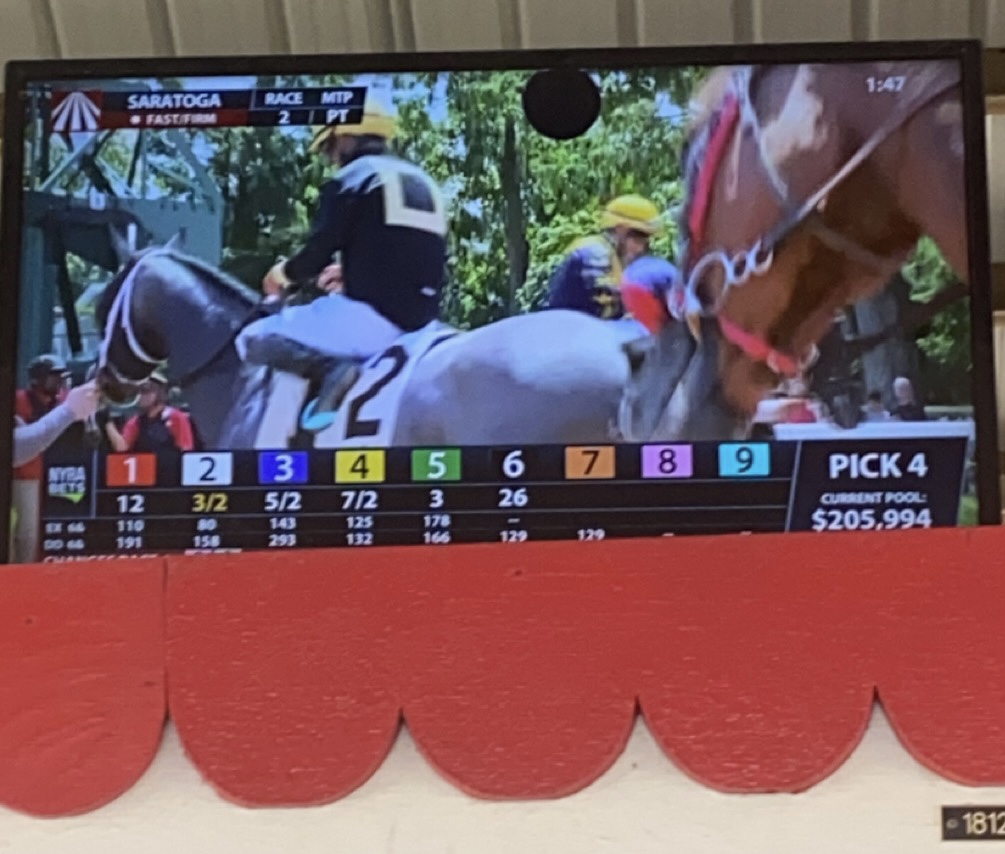
I have been reflecting quite a bit since the end of the summer meet at Saratoga about what I think the future of Thoroughbred breeding should look like. It is no secret that this was a tough year at the track—14 horses were euthanized during the 40-day meet. Unfortunately, I was attending the races on Whitney Day when Maple Leaf Mel suffered a catastrophic breakdown in the 8th as she was just about to take her first grade one victory.
Traver’s Day proved solemn as well when New York Thunder suffered a catastrophic injury at the wire in the 9th race of the day. While Maple Leaf Mel and New York Thunder were only two of 14 horses to face euthanasia at Saratoga this year, they were cause for great discussion because their breakdowns were incredibly public with New York Thunder’s breakdown even being on live national television.
Following the end of the Saratoga meet, NYRA did recognize the major losses of the season but stated that “NYRA [will] continue[s] to work with HISA’s track surface advisory group to further ensure the racing surfaces are consistent throughout” and “that Jockeys and horse trainers [have] expressed universal support for the safety of Saratoga’s race course facilities” (news10.com). If Jockeys and trainers are willing to vouch for the safety of a course that the media has portrayed to have taken the lives of 14 horses, then surely the root cause of these breakdowns is not the venue.
I am happy to admit that 14 losses compared to the roughly 2,500 horses that raced at Saratoga through the season is a .56% chance of catastrophic injury. That is a small number—as it should be. 2023 wasn’t even a record-breaking year for losses at the track—in 2020 alone we saw 21 horses euthanized during the summer meet at Saratoga. So why has this year been cause for so much concern?
Maple Leaf Mel and New York Thunder broke down in front of the biggest crowds of the year and many of these fans were vocal about how witnessing these accidents has affected their opinion of horse racing as a spectator. No one wants to spend a day at the races and see a horse breakdown. It happens, yes, but when it happens on the two biggest race days directly in front of the crowds, it gives even race officials something to talk about. When fans start chiming in, it is evident that there needs to be a change—with no fans there will be no sport.
While I am glad that NYRA addressed the breakdowns and didn’t attempt to sweep this sad situation under the rug, I genuinely do not think the track, the dirt, the turf, or anything to do with the actual track itself has anything to do with these breakdowns. If that was the case, we wouldn’t see horses also breaking down at Keenland (3), Belmont (2), Churchill Downs (12), or Santa Anita (11) this year.
At this point in time I believe that we are facing the consequences of poor selective breeding and over breeding. Now, before I go on, don’t get me wrong, I am not against breeding horses and I am not against racing horses. I do however think that for far too long, breeders with good intentions of producing fast horses have simultaneously overlooked the elements of longevity and hardiness.
Some of our recent greats like American Pharoah, Justify and now Mage have all retired after their three-year-old racing seasons. While retirement after successful and high earning two- and three-year-old seasons seems like it could be great for the horse, these horses also have much more financial value as breeding stallions than as “older” racehorses. While this may seem like the perfect system, to have horses retire after short, successful careers, it leaves absolutely no room to understand if they would have any sort of longevity.
While it sounds morbid, Mage, who only raced as a 3-year-old, and ran a career of 7 races could have, in theory had a catastrophic breakdown if he were to race in an 8th race. Certainly his soundness was questioned after his last place finish in the Travers.
Maple Leaf Mel suffered her catastrophe in her 6th race. Prior to this race she was undefeated and showing great promise as a high earning mare and eventual broodmare. Midshipman, a son of Unbridled’s Song, Maple Leaf Mel’s grandsire, retired to stud after only eight races. Who is to ever know if Midshipman could have lasted a 9th race – if Unbridled’s Song was genetically responsible for Maple Leaf Mel’s weaknesses, then maybe Midshipman also carries those traits and is continuing to pass them on to new generations.
Now this is all hypothetical—I have no claims that Midshipman in particular is responsible for the lack of hardiness in the breed. However, if we looked at the breeding of all of the horses that have broken down and compared the breeding to stallions of similar lineage who only had short careers, there is absolutely no way to know if they were one step or one race away from a career or life ending injury.
There is money in speed. But there is also money in longevity. And in longevity there is quality of life and a heck of a lot less of a gamble. I think that war horses are seriously undervalued, and I would go as far as saying that I think there should be some sort of race minimum or age requirement before a stallion can retire to the breeding shed. That’s right, I don’t think a colt has earned the right to be retired to the breeding shed just because they won the Kentucky Derby. Having just a few more years of a career can teach us so much about a horse or an entire lineage, and I think that would be really valuable for the Thoroughbred industry.
I was happy to see that the Jockey Club reported that they are expecting 500 fewer foals in 2024 than in 2023. I don’t think it is a bad idea slow down foal crops until the industry has a clear understanding on these breakdowns—both why they happen and how to prevent them. Will breeding hardiness back into the racing Thoroughbred help? Only time can tell.
I would love to hear some thoughts on this topic from long time breeders or even bloodstock agents. I think this sport, and our horses will be healthier if breeders and consequently trainers put as much effort into producing lengthy careers as they do sheer speed.
Sad News for the Mustangs – The End of the TIP Program
September 7, 2023
It was announced yesterday (9/6/23) that soon, the TIP program will be a thing of the past. The TIP (Trainer Incentive Program), organized by the Mustang Heritage Foundation and funded by the Bureau of Land Management will cease to exist past the 30th of this month.
The TIP program has encouraged qualified trainers to take on what are considered the more “undesirable” feral Mustangs for basic gentling. These are the horses that for whatever reason have not caught the public eye and had spent months, if not years, in BLM holding facilities.
These trainers are delivered completely feral Mustangs and their job is to provide them with basic skills- i.e. halter, lead, and pick up all four feet. This program was started back in 2007 and grew to become a national program across 40 states and aiding in the placement of over sixteen thousand horses. With funds supplied by the BLM these trainers were paid for their time and skill sets.
While limited information has been revealed thus far, it seems that The Mustang Heritage Foundation and the Bureau of Land Management have no plans for continuing their long-time partnership past the end of this month. Trainers have been notified that they are to either place the horses that they have in their care or return them to a BLM holding facility by or before September 30th.
This news was not taken lightly by the dozens of trainers that have created and developed their careers around gentling Mustangs and subsequently working in partnership with the TIP program. Many trainers have just been given less than 30 day’s notice that their livelihood will be no more, and their passions will unwillingly be put on hold.
If ever you have been interested in adopting a Mustang, now more than ever is the time to reach out to your regional storefront and help a horse find a home before they are returned to their BLM holding facility.
I hope for both the horses and the trainer’s sake that the MHF can find a way to keep this program alive—it has done so much good for feral horses in the last 15 years.
Thoroughbreds: Two Peaks in Value
August 9, 2023
Value is such an interesting topic regarding horses because the spectrum of fair market value is truly so broad. There are five-hundred-dollar horses, five-million-dollar horses and everything in between.
Generally speaking, throughout a horse’s life they’ll gain value until they are in their prime fitness and training stages, and then will slowly lose value as they get into old age. For example, the average pleasure riding horse will start off with an initial value at birth based on their health and parentage. They will then receive training (hopefully) and their value will go up from being totally unbroke to then green under saddle. With hours under saddle and proper continuation of training, they will become even more valuable for whatever it is that they were trained for. Over time, they will age, develop health issues, and slowly deteriorate to the point where they can no longer do the job that they were trained to do, and consequently their value will decrease as they delve into old age. For the average horse, if their value was to be graphed it would resemble a typical displacement graph—value would increase, even out and then decrease.
One breed that is unique in terms of their value and doesn’t quite fit the mold of the average horse in terms of their value is the Thoroughbred, specifically racing Thoroughbreds. Often, Thoroughbreds are considered extremely valuable as yearlings if it has been determined that they have racing potential. While all owners and trainers hope and pray for promising yearlings to become the top horses of their time, the reality is that many do not and what could have been a hundred-thousand-dollar yearling, is then a retired OTTB worth maybe five thousand dollars at the time of retirement at just five, six or seven years old.
With thanks to organizations like the Retired Racehorse Project there is now demand for these retired Thoroughbreds and gives them the opportunity to become a valuable horse once again. Now it is not uncommon for a properly retrained OTTB’s to be worth twenty, thirty or forty thousand dollars in the years following their retirement off the track. Then, like any other horse, they will eventually age, and devalue as they head into their senior years. Envisioning a graph that represents these horses value would show two peaks—a spike in value as a young horse and a spike in value as a mature, re-trained horse.
I decided to conduct a case study to show the true variation in a Thoroughbred’s value throughout their life. I was able to find enough public information to do a complete study on Lute and Sweet, an Alphabet Soup/ Midnight Lute mare foaled in Kentucky in 2014.
As a filly Lute and Sweet was sold as a yearling at the Keenland Association September 2015 Yearling Sale for an impressive sixty-five-thousand- dollars. Unfortunately for her connections, Lute and Sweet was not finding success on the track and she was sold in her first claiming race on May 28, 2017 for twenty-five- thousand dollars. This is a forty-thousand-dollar loss in value in less than two years.
Following being claimed in May of 2017, she was quicky sold in three more claiming races in June, July and August of this same year bringing only $10,000 each of these three sales. While I am unsure of the exact date of when Lute and Sweet was officially retired off the track, her last race was ran in Aiken on October 28th, 2017. Being that she was sold off the track to a non-racing home and didn’t show promising potential as a valuable Thoroughbred broodmare she was likely sold for around five thousand dollars or less. So, in just her three short years, Lute and Sweet went from a high, five figure yearling to a three-year-old worth just pennies on the dollar.
In the coming years I have limited information on Lute and Sweet’s ownership and training, but what I do know is that someone (or several someones) re-trained her to become a talented event horse. One year off the track, Lute and Sweet won her four-year old YEH Qualifier and went on to become the Reserve Champion at the East Coast YEH Championship. In 2019 and 2020 Lute and Sweet accumulated more great scores and titles and was reported to be a stunning mare with a quiet demeanor, as well as exceptional attitude and work ethic. These accolades of course increased her value significantly and she was sold again in 2021 for a whopping forty-eight-thousand-dollars.
I lost track of Lute and Sweet after her 2021 sales ad, but to recap here is how her value changed between 2014 and 2021:
- Born: March 19, 2014
- $65,000: As a yearling
- $25,000: May 2017
- $10,000: June 2017
- $10,000: July 2017
- $10,000: August 2017
- »$5,000: October 2017
- $48,000: February 2021
Please note that I may be missing details from Lute and Sweet’s purchase and sales records any time after 2017. Buying and selling of racehorses is extremely transparent where privately owned horses can change hands many times without ever being publicly sold.
With that being said, I maintain that Lute and Sweet is an excellent example in how unique thoroughbred are in terms of their value changing throughout their lives. Since 2021, Lute and Sweet has likely maintained or even increased her value—at only 9 years old she should have many years left as an athlete.
The sales and racing information from this article was sourced from Equibase and warmblood-sales.com.
The Big Disconnect: Upper-Level Competitors and the Average American Horse Owner
July 7, 2023
I have been a horse person all my life and until recently I really thought of all horsemen and women as somewhat similar. Since becoming an appraiser, I’ve truly realized how disconnected the average American horse owner is from the professionals and amateurs that show at the highest levels, and vice versa. Whether we are talking about rated USEF/ USDF shows or national and world level breed exhibits like the Quarter Horse Congress, there is an apparent disconnect between owners, trainers and riders that ride and compete at these levels and the average horse owner that primarily owns horses for pleasure and as pets.
This started to become apparent to me when I became an appraiser—in my previous career of as a boarding and lesson barn manager, I was generally not rubbing elbows with too many six figure horses or the riders and owners that come with them. While horses in every demographic need appraising, primarily horses of significant value need appraising—these horses are more likely to be used as a donation for tax write-off purposes and are certainly likely to be insured.
I would say that I realistically became aware of the horse market when I was in college. I grew up a true backyardigan—the horses I were most familiar with as a kid were under $1000 and even free a lot of the time. Once I got to college, I truly received an education on the value of show horses. Not only were there amazing horses in our program, but some of our instructors were independent trainers that shared their experiences with us as well. I still remember clear as day when our instructor brought us doughnuts to class—he was excited about making a commission on a sale horse. He didn’t share with us exact numbers (which is appropriate) but mentioned that it was a 5-figure commission. Of course, I did a little mental math and was STUNNED. Suddenly the $600 commission I made on a sale horse that past summer felt like nothing, and honestly, it was!
In my youth I truly had no idea that horses sold for tens of thousands of dollars, let alone six figure horses. I thought the most expensive horses out there were the Frisians they sell at Equine Affaire, and apparently my imagination stopped there. Coming to this realization in my late teens and early twenties, that there is more money in the horse world than I ever realized, was probably the first thing that spiked my interest in appraising. Since then, I have always had an interest in bloodlines and show records, because generally these two things are what will majorly affect a horses value.
I feel that I have a unique outlook on the horse market because I grew up very much so in the low end of the horse market, but as a professional, now work primarily in the most elite sector. Recently, I’ve come to realize that my outlook now, as someone that knows both ends of the market, is unique, and that in general, equestrians are kind of stuck in the mindset of whatever part of the industry they are most accustomed to.
I’ve been noticing this trend for quite some time now, and just recently this theory of mine came up again when I was watching a TikTok series that does a “guess the budget” bit that analysis people’s sale and ISO ads. The women in the videos are well educated on hunters and jumpers, and they do admit that they know less about disciplines like eventing and dressage. However, they do a couple videos on people with lower budgets ($5K range), and while they are not being mean or condemning, they seem almost shocked that that could even be someone’s budget at all. They mention maybe the person should lease, and offer some other advice, but don’t quite realize that there are hundreds of thousands of horses bought and sold at that price point every year.
Reversely, I know plenty of people in my personal life that don’t think a horse should cost more than a couple thousand dollars. The thought of looking at a horse for sale that is listed for $10k would shake them to their core, and they can’t fathom that a horse could possibly be worth that much money.
Horses Only put out their 2023 data for the equine industry, and for riding horses, the average riding horse is selling for $3,444 (https://horsesonly.com/horse-industry/). Now this is a far cry from the horses that are selling for 60, 70, or 80 thousand dollars – so just imagine how many horses trade hands every day at the lower price points compared to the higher price points.
In general, I think that equestrians are both over-paying and under-selling depending on what part of the horse market they find themselves familiar with. I think that some people with bigger budgets are overspending on horses under the premise that the more it costs, the nicer horse it is. And reversely, I think that some people have really nice, well-trained horses that they sell for pennies on the dollar because they don’t know that better markets even exist.
I think that equine professionals should be educated on both ends of the spectrum, and for the most part, I am sure that they are. Amateurs or hobbyists might find it wise to work with a professional in some capacity when buying and selling since it is apparent that there really is a disconnect on both ends of the industry.
Which part of the horse world do you find yourself in?
Thanks for being here.
Sam
How to Write an Effective Sale Horse Ad
June 21, 2023
Do you sell horses professionally, either for yourself or as a commissioner? Maybe you don’t sell professionally but need to sell a personal horse and your ad hasn’t generated any real leads. Here are six steps to creating a successful sale ad.
- Take a professional photo. Look up the breed standards for the horse you are trying to sell and take the best photo you can that shows off the horse’s best characteristics. If you are selling a stock horse, they should be squared up all around, and if you’re selling a Thoroughbred, you’ll want them to be square up front and open behind. In the picture the horse should be clean and wearing a nice halter. The background of the photo should be simple and help the horse stand out. Good photos truly do speak a thousand words so try not to take a picture of three horses from across a field and tell everyone “it’s the horse on the right”.
- Be honest. Now this should go without saying, but your description should match the horse to a T. Most horseman will be able to pick out a dishonest ad in a heartbeat, but for those that can’t, it can be dangerous and misleading. Don’t omit important information because it isn’t ideal – an ad should state if a horse has any major vices like cribbing or weaving.
- Be detailed. This might be one of my biggest pet peeves. Nothing irks me more than seeing an ad with a vague statement like “needs maintenance”, followed by “PM for more info”. If the horse needs maintenance, say in the ad, what they need. If the horse has quirks, say what the quirks are. All of this should be in addition to the obvious like age, height, discipline, training level, etc. You will save yourself and everyone else time by putting all of this information right in the ad.
- Put the Price. Put the dang price with your ad. I repeat, put the dang price with your ad. I’m looking at you, Facebook horse sellers. There are ways to convey either an exact or approximate price on Facebook without getting your post deleted—you just have to be a little creative. Use emojis, post the price in a photo as a calculator picture, or tell buyers an accurate range (i.e. high fours, mid fives starting with a four, etc.). Making people message you for a price will deter people who might potentially be interested. If you do have the price listed, and your ad still isn’t performing, take this as your hint that your horse is likely overpriced.
- Find the appropriate website. Do a little market research on the type of horse you are selling and post the ad in the appropriate place. If you are selling an untouched, grade, draft yearling, your ad will not do well on sites like Dream Horse or Big Eq. If you have a finished AQHA show horse, Horse of My Dreams would be a great place to start. There are so many horse selling mediums, so to have the best producing ad, make sure you are listing your horse in the most appropriate places.
- Provide links to videos. Or at least offer videos to people that inquire about them. The information age has changed horse trading and enabled more people to buy and sell horses from states if not countries away. The video you send should show the horses best qualities, whether they are a 2* eventer or a yearling just starting some ground training. Putting these videos in the ad will keep people interested and save you the headache of sending the video individually to everyone that asks (and many of them won’t even be serious buyers).
Please also recognize that some horses will inherently take longer to sell, no matter how well written or well-placed your ad is. Young horses, old horses, green horses or lame horses will generally all take longer to sell than a sound, well trained horse in its prime. We’re coming out of a time where the horse market was crazy hot for a couple years. It is still a seller’s market, but we’re on a down trend, so we may see this change again in the next couple years.
Thanks for being here.
Sam
Equine Entrepreneurs – Are you building a business or a brand?
June 15, 2023
As a small business owner, I have recently been reflecting on the importance of building a brand around my business, and how it led to my success. When I first opened my doors, I was more in the “I am building a business” mindset. The goal was to make money- the end. Certainly, it got me started and got my first customers in the door, but over time, building a brand really allowed my business to flourish.
Now, if you’re a young or new business owner, you might not even be aware that there is a difference between a business and a brand. A business is simply an operation where goods and services are traded for money. Businesses do not necessarily have the desire to seek out relationships with their customers outside of transactions and ultimate success is in those transactions. A business that does not have a branding strategy relies simply on the reputation of their goods or services for customer acquisition and retention.
A brand on the other hand is a business at its core, but then takes on a broader extension of their business in some way. Branding allows businesses to develop an identity that resonates with their customers, and can become so large that the business can begin to serve a brighter purpose. Brands use their image to relate to their customers on a personal level and incorporate emotions in business. Essentially, a brand is used to market or position a business as having a personal relationship with its customers in some way, and for many consumers, it is important to feel invested in a company before doing business with them. Consumers especially like to purchase when they feel like they are investing in a greater good.
In the current market, nearly all businesses have found the value in developing a brand, but it is especially important for small businesses to do so. When businesses have a specific brand or image, it enables customers to seek out businesses that align with their personal beliefs or values. For example, a consumer might choose to shop at Home Goods because if their donation history with Saint Jude Research Hospital.
No matter what industry you are in, there is SO MUCH competition. It goes without saying that you need to be good at what you do and offer quality goods and services. Your brand will make you unique and automatically align you with customers that resonate with your vision.
In the equine industry specifically, there will always be other trainers, other shippers, or even other veterinarians. Developing a brand is the best way to set yourself apart from your competitors. Truthfully, I was not very creative when developing a brand for myself—I positioned my business to have high quality services with clear and honest communication. I made sure that all of my customers knew my commitment to these ethics, outside of the actual services that I was going to be providing for them. Now, as an appraiser I can continue the same branding with the added values of professionalism, continued education, and time efficiency.
Especially as a small business owner, you want your customers to know that you are human too. Your passion for your cause should resonate with new and prospective customers—after all, being relatable and connecting to your customers emotionally is the best way to retain them.
In short, to set yourself up for the most success, your brand, or your businesses image should reflect a passion or a value that is memorable for your customers. If you are a trainer that has true passion for developing young riders correctly, than your marketing should reflect that! If you are a barn owner that’s best quality is compassion for senior horses, then that should be a well-known fact about you. Let your customers know more about you than just what you want to sell them.
So, are you building a brand?
Thanks for being here!
Sam
May 19, 2023
10 Horse Careers Outside Training and Barn Managing
In the last several months my business has gone through a complete rebranding – something that I do feel fortunate to have been able to do. For six years I managed a very busy boarding, lesson and training barn; at its biggest I had 40+ horses on property and offered lessons, training, events, and horse hauling. This business treated me and my family so well, but with some life changes as well as decisions made by my former landlord, my husband and I decided that it was time to leave our beloved farm at the end of our lease.
Fortunately, prior to deciding to end our time at the farm, I had already been taking the certificate course to become an equine appraiser. I quickly learned that equine appraising is a huge passion of mine, and I was able to easily transition from farm owner to full time equine appraiser, which really isn’t a common job here in the horse world.
If you are a passionate equestrian and want to explore some unique careers outside the obvious, check out these 10 careers and a little bit about how to pursue them.
- Of course, I need to start with equine appraising. An equine appraiser is a professional that can provide an accurate estimate of value (of a horse) based on supporting facts, and their knowledge of the equine industry. Someone may need to hire an equine appraiser for tax or donation purposes, for insurance, or legal or litigation purposes. This is something that you need to be certified in, and if you’re interested in learning more about appraising, you can find all the info you could need at equineappraiser.com.
- If you have in interest in equine wellness, becoming an equine dentist might be something for you. Equine dentists or equine dental technicians travel from farm to farm to float horses’ teeth, which means that they file sharp points in the horse’s mouth to enable them to continue to chew effectively. Dentists can also diagnose and treat a variety of dental maladies in the horse. The credentials vary from state to state for what you need to do to become an equine dentist, so be sure to do your research for what is accurate for your area.
- Equine Veterinarians are currently in high demand! If lots of schooling doesn’t intimidate you and you will thrive in a fast-paced busy career in equine health, consider becoming a veterinarian. Many vets work in equine only practices, but the sky is the limit if you are interested in large animal or even a mixed practice of large and small animals. If maybe becoming a vet isn’t your cup of tea but still have a passion for equine health, becoming a vet tech or a vet assistant are also options.
- If you have horses, you know what an important job a farrier is. Farriers are equine wellness professionals that care for horses’ hooves through trimming and shoeing. There are farrier schools across the country that teach the logistics of farrier work, and many farriers choose to also complete apprenticeships. Recently barefoot trimmers have also become more popular; similar to farriers they care for horse’s hooves, but they do not offer shoeing services.
- Magna Wave/ BEMER/ Massage are all types of therapies, mostly for equine athletes. These types of technicians are trained in their field, often through some sort of certificate program, and travel from farm to farm to offer their therapies. Frequently people do these types of jobs on the side, and their therapy services are for extra income, but it can be made into a full time gig.
- All the major feed companies employ equine nutritionists to help customers create the healthiest diets for their horses. Nutritionists generally have a degree in animal science or a related equine degree and spend their time analyzing feeds and forage to create custom diets. Nutritionists spend a lot of time educating horse owners on proper equine nutrition and often times help people understand hay analyses and guaranteed analysis for the grains that they are feeding.
- Equine marketing is an extremely broad name for many jobs across the equine industry. There is social media marketing, corporate marketing for the big companies like Ariat or Smartpak, and even affiliate marketing options in the industry. Marketing is a booming industry, so if you are computer proficient, have a marketing degree, and have a passion for the horse world, all the different marketing jobs are worth researching.
- For those that have an eye for the arts, maybe equine photography is the job for you. Professional equine photographers are hired at horse shows and clinics, for sale material, for marketing content, and for the everyday horse person that wants to capture beautiful pictures with their horse. The sky is the limit when it comes to photography and the more creative you are, the more opportunities will come your way.
- If you are highly organized and are happy to work with a lot of moving parts, maybe becoming an equine event planner is the job for you. Events can include things like horse shows, fund raising events, parties, or banquets. Equine event planners can work independently or work for large companies like Equine Affaire, but either way they need to be able to pay attention to detail and execute extremely detailed plans.
- Finally, I think that becoming a show groom is one of the coolest and most under rated horse jobs out there. At the highest levels show grooms get to travel the world with no expenses and get to rub elbows with the most elite human and equine athletes in the world. Generally, most groom jobs do not require any degree or schooling, however horse experience is a must. Being a show groom is demanding, but it sure does seem rewarding and certainly worth special consideration if you are researching what equine career might work for you.
This short list really only scratches the surface—there are so many jobs in the equine industry whether you are interested in a hands-on job like an equine dentist, or a support sector job like a photographer.
I always want people to remember that there are careers available even if you don’t have a degree, and there might even be jobs you’ve never realized that your degree could help qualify you for. Once you figure out what you’re passionate about, the rest is simple—I am a big advocate for making money by doing what you love.
Thanks for being here!
Sam
Buying Sight Unseen: Should You, or Shouldn’t You?
May 15, 2023
In the last couple years, with the horse market being so hot, more and more people have resulted to buying horses sight unseen. Although the market is shifting again now, for the last couple years there just simply hasn’t been enough horses to go around. As soon as a horse was hitting the market, it was sold, and for higher consistent prices than I have ever seen. If you were in the market and were serious about buying you had to decide fast, because if you didn’t the horse would likely be sold to the next person in line.
Should the average horse person be buying a horse sight unseen? If you’re considering buying a horse without seeing it in person or test riding at all, you should ask yourself these three questions:
- Can I trust the seller?
- Do I have help?
- Can I afford this horse if it is not what I expected?
Can you trust the seller? Now, I don’t mean this in the literal sense. Of course, you don’t have to know the seller personally, but everyone has a reputation to uphold, and it is your job as the buyer to do your homework. If the seller is a professional or a business, are they willing to connect you with past happy customers? Is the seller happy to answer your questions and do they seem fair and honest? Use your gut instincts; if you get the feeling that something is off about the situation than it probably is.
A seller should be happy to offer a prospective buyer all the pictures, videos, records and documents for any given horse. If the seller ever seems secretive, that is a RED FLAG and should turn a buyer away immediately. The only thing worse than buying a horse that isn’t what you expected is paying for a horse that you never receive.
Do your due diligence, and vet any seller, whether they are a well-known international trainer, or someone selling their backyard pet. You will thank yourself in the long run.
Do you have help? ASK A TRAINER. Even if you are skilled, advanced rider, a good trainer will pick up on the most subtle lameness or might even have questions about why a riding video was edited the way that it was. You may be loving the horse’s sale video, but it will be your trainer that notices that the video never showed the horse untacked, or it excluded all trot/ canter transitions. Your trainer will have valuable insight and will likely provide you with a list of questions you should ask that the sellers pictures or videos don’t answer.
Secondly, ASK A VET. A very simple health or lameness exam can save your butt a hundred times over. If you don’t want to spend the money on a PPE, just think about all the money you’ll be wasting if you get that horse home and it’s not as broke, sound, or sane as you expected it to be.
You can also think of it this way, having professional insight will help you negotiate better. Say the horse in question was just the slightest bit off after flexing the front right—this isn’t enough to deter you from buying the horse, but it does give you reason make a lower offer.
There is no shame in using your resources. Professionals exist for you to utilize them – their insight is imperative when buying a horse sight unseen. You can never do too much homework in this instance.
Can you afford this horse if it is not what you expected? Be honest with yourself here—if the horse walks off the trailer and isn’t what you expected, will you be able to handle the situation in a way that is fair to the horse? If you are able to provide the horse with whatever it needs, and either turn it into the horse you were looking for or send it on its way to a new home, all without causing irreparable damage to your bottom line, then yes, this is a risk that you are able to take.
If you receive a horse that isn’t what you expected and because of this, the horse suffers in some way mentally or physically, then no, you are not prepared to buy a horse sight unseen.
I will never forget the experience I had when training under Leslie Desmond as a teen—a very wealthy man, who knew next to nothing about horses, had just bought a farm and wanted to bring some horses to his property, to just have them as pets. This man imported a three-year-old Friesian stallion from Europe and realized quickly that this was not a safe horse to have on his hobby farm with his very limited skill set.
I will never forget Leslie telling that man, right to his face, that he had no business owning that horse. It was true, everyone at the clinic knew it, but it was shocking to hear her say it out loud. Anyway, I digress, but this is a situation that green horse people can get themselves into when purchasing horses on the internet sight unseen without the help from a professional.
I’ve thought about that man and that horse many times since that winter (2010 I believe), and while I am glad that he had the money to get that horse in a good training program, I always wonder what happened to the two of them as a pair that really never should have been.
Luckily, most of us don’t have the budget to fly in an unruly young stallion from Europe, but that doesn’t mean you can’t get yourself in a sticky situation when buying a horse sight unseen. Be smart, do your research, and seek guidance, and you should be just fine.
Thanks for being here!
Sunday’s Tragedy #rideforhannah
May 3, 2023
This past Sunday, April 30th, during competition in Venice, Florida, a talented young rider was killed in a tragic accident. 15-year-old Hannah Serfass was riding a 12-year-old Holsteiner gelding when they suffered a rotational fall after the sixth jump of the competition. First aid by venue personnel and others began immediately after the fall until first responders arrived on the scene. Shortly after being rushed to Sarasota Memorial Hospital, Serfass was pronounced dead.
USEF is not taking this tragedy lightly and issued a statement saying that they are reviewing the fall thoroughly “to learn what we can do to minimize risk and increase safety in equestrian sport.”
It goes without saying that Hannah’s death is a terrible tragedy, and that pain from her loss is felt across the equine industry. While we all know the risks when we climb up on a horse, and that any loss is tragic, it is heartbreaking to see the life of a such a young equestrian cut short. I offer my deepest sympathies to all of those that knew, loved and trained with Serfass—your loss is immeasurable.
In order to honor the love and passion that Hannah had for the sport, a friend of Serfass started the hashtag #rideforhannah, and is encouraging people to share a post or a picture. Write and read these posts with the reminder that “Tomorrow is not guaranteed. Be kind, be grateful, and cherish every moment. Today and everyday let’s #rideforhannah”.
As a lifelong equestrian I cannot help but look back and be thankful that even the worst of my riding accidents have only ever resulted in a few stitches. What we do as horse riders really is dangerous, and I think that sometimes that is easy to forget. Hannah is being remembered as a talented rising star, and I truly am so sorry that her accident had the result that it did.
Stay safe, and honor Hannah Serfass.
Sam
How to Horse Shop Effectively
April 24, 2023
As a horse professional that has helped many many people find a new horse to add to their family (and have bought a horse or two myself), I’ve learned all of the ins and outs to buying efficiently and effectively. It’s a pretty well-known fact that if someone tells me what they are looking for in terms of a horse, I can scour my sources and have a list of candidates within the hour.
For the average equestrian, horse shopping can be a total headache, especially in the recent market, but it doesn’t need to be. If you know your budget, know what you want, and shop on appropriate sites and in appropriate places you will have a great chance of finding what you’re looking for in a reasonable amount of time.
- Know Your Budget
When you are beginning your horse shopping journey you should have a realistic budget in mind. You should have a number in your head that is your ideal budget and maybe a second number that is slightly more that you’d be willing to spend on something that is the horse of your dreams. Remember to consider any other expenses you’ll incur from horse shopping—will you be paying a trainer to try the horse? Will you have a vet perform a pre-purchase exam? Who will ship the horse and how far? Decide beforehand if these variables will effect what you are able to spend on the actual horse or if they are a separate budget entirely.
Before you inquire about any horses you should know if you are willing to put any deposits down, and if so, how much? Know if you’re willing to do a lease-to-own situation of sorts, or if you will need a payment plan. There is nothing more aggravating for both a seller and a buyer to have spent hours exchanging info and asking and answering questions, just for the buyer to realize that they aren’t willing to put a deposit or agree to a paid two-week trial. Save yourself the headache and know what you’re willing and capable of doing before you even set eyes on a potential horse.
2. Know What You Want
Now, I say this loosely because knowing what you do want is sometimes knowing just as much of what you don’t want. At a minimum you should have a loose idea about things like type, breed, training level, and age. What I find makes for effective horse shopping is to have two lists; one for the qualities that are absolute necessities, and another that are negotiable or are “wish list” type things. For example, if you are in the market for some new blood in your breeding program some necessities could be a certain bloodline and proper confirmation in a broodmare. In this situation, the negotiables could likely be color, coat pattern, or even where the horse is located. If you’re very direct with yourself and sellers about what you must have in a horse and what you can be flexible on, it’ll be much easier for you to create a list of horses that might work for you.
While it is best to have a good idea of what you’re looking for, it is ok if you’re willing to be flexible as well. If you’re looking for a project horse and really any breed or size will do, that’s ok too—knowing this from the start will allow you to shop across multiple different platforms and should give you a broad selection of horses to peruse.
3. Shop On Appropriate Sites
As I am sure many of you know, there are SO MANY websites and pages for horse trading, but they were not all created equal. If you are shopping for a quiet trail horse that won’t break the bank you likely won’t find it on Big Eq and reversely, if you’re on the hunt for a well-bred hunter prospect it certainly won’t be listed in the “Horses under $2000” page on Facebook. Maybe you already know what sites work for you, but if not spend a little time researching what sites are the most relevant.
Here is a brief cheat sheet:
Hunters/ Jumpers/ Eq Horses
Upper Level Dressage/ Jumpers
Trail and Pleasure Horses
Western Show Horses
4. Shop in Appropriate Places
Whether it be online or in person know ahead of time if you are willing to look at auction horses or if you’re only interested in private treaty. Don’t waste your time looking through auction previews if you know that you’ll never bid—instead if you’d like the convenience of viewing a lot of horses in one place, maybe a large sale barn is the place for you.
There truly are so many options when it comes to platforms, websites, sale barns, auctions—and at every training level, pedigree and price point that you can think of. The best way to be successful when shopping for a new horse is to be prepared and have a realistic and honest idea of what you’re on the market for. So get out there and find your new friend!
Thanks for being here.
Sam

2raw2ride: The Current Controversy
April 14, 2023
The current controversy surrounding 2raw2ride’s cross country trip is so deep it seems it may be the one thing that all equestrians can agree on; and we all know that that is no easy feat! It seems the overwhelming consensus is that this ride shouldn’t be happening, and I would have to agree.
For those of you that aren’t familiar, a man named Cyril Bertheau has planned a cross-country ride from Austin, Texas to Seattle, Washington. He started this ride on April 9th and is riding a 13-year-old Tennessee Walking Horse gelding named Shiok that he bought just about a month before his adventure began. Bertheau’s goal is to do this ride in 100 days, which would mean traveling around 25 miles a day on horseback and he’s documenting this whole journey on TikTok and Instagram.
While in general this shouldn’t be a controversial topic, it has become one because Bertheau is a relatively uneducated horseman, and he is ignoring the masses of comments and suggestions from lifelong horsemen and professionals alike regarding the welfare of his horse. It is being widely reported that this trip is being done for clout without taking proper consideration for the health and wellness of his horse.
First things first, his horse Shiok is not properly conditioned for a feat like this. Shiok was purchased about a month ago, and while he has said he’s spent the last month training for this ride, every equestrian could tell you that it takes more than a month to condition a horse for a rail class at a horse show, let alone to be fit enough to trek across the country. On TikTok and Instagram Bertheau shares pictures and video of Shiok, where he is lacking muscle mass, does not have a full and healthy top line, and is on the thinner side. This is not a horse that is physically prepared to travel thousands of miles.
The masses of equestrians have also taken note of Bertheau’s comments that include things like “he will buy hay and feed, when he can”, and he will “fatten his horse up tomorrow”. A journey like this should include careful planning and consideration regarding the horse’s diet. This horse will absolutely need top of the line nutrition, and it doesn’t seem like Bertheau has organized that for him. By saying he will “fatten his horse up tomorrow”, Bertheau is implying that he is going to feed his horse loads of grain, thinking that the horse will gain weight in one day. I don’t need to tell other equestrians how flawed this thinking is—seasoned horse people know that if this is his plan, he will cause his horse to colic or give him a terrible bout of laminitis or both.
Just in the first couple days of his trip, Bertheau shared that he already had his horse take off on him. Now there are concerns that he will lose his horse again and put him in danger of getting hit by a car or into some other sticky situation. There are a lot of red flags concerning the welfare of this horse, and Bertheau hasn’t addressed any of them.
In general, responsible equestrians are also upset because the media is sharing his story in a positive light. This is where the horse world is coming together—there are so many equestrians in this country that are doing amazing things AND considering their horses welfare in the process, yet this is the guy that is getting attention in the national media. I personally think that this is the case because most people that are working in the mainstream media do not have horse experience, so consequently don’t know any better, and since Bertheau is looking for the attention in the media, they are happy to give it.
Personally, do not think that Bertheau is going to accomplish this feat—he isn’t ready, and his horse isn’t ready. For his horse’s sake, I hope that he retires from this journey before he does any irreversible damage to the horse.
Thanks for being here.
Sam
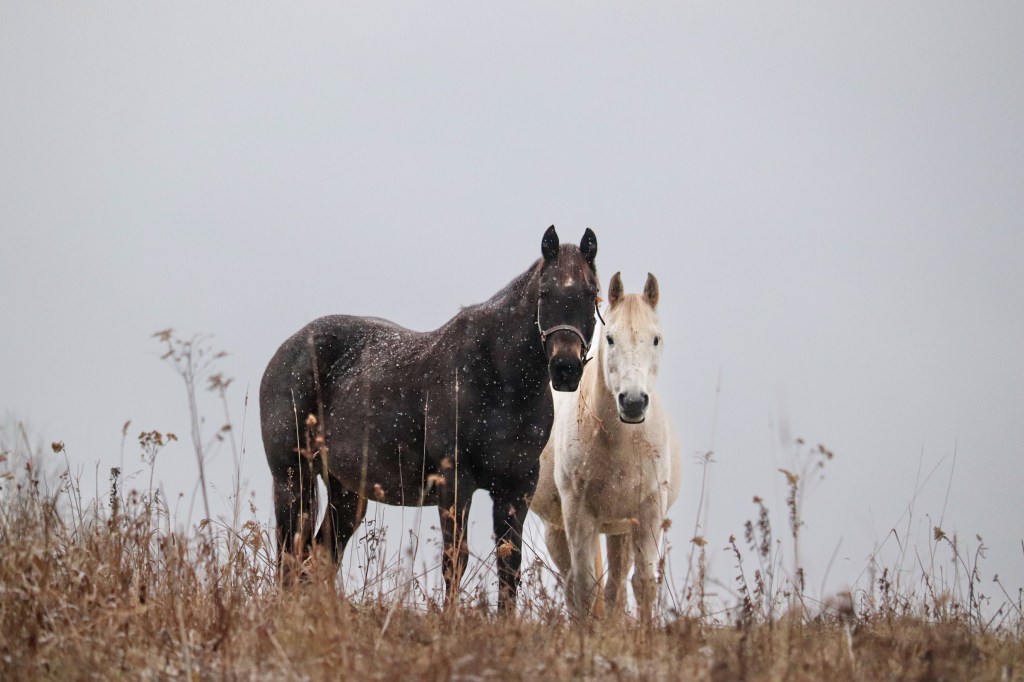
Somewhere In the Middle
April 11, 2023
When it comes to horses I do not believe in absolutes. There is so much gray area in what is considered good care and good training and the truth in the matter is that there are so many methods that are great or correct. Personally, I am wary of owners or trainers that will only support one theory or one method—every single horse is unique so why shouldn’t care and training approaches be unique too?
With respect to everyday management and care I generally support that in a perfect world, most horses should live outside with constant forage that compliments their metabolism. I think that horses are happier to be outside and I know that horses are healthier with the ability to move around and constantly eat small forage meals. I think that most horses are over grained and over supplemented, and that if people would manage horses more like I am suggesting, then more horses would live longer healthier lives. While I think horses belong outside, I don’t think they deserve to fend for themselves. As horse owners we should be providing shelter, water, forage and a safe environment at the bare minimum.
Now, I will happily admit that while this is my ideal situation for a horse, I know that it isn’t practical or even feasible for some horses to live like this. I do not think that stalls are bad. I recognize that there are metro areas where there just physically isn’t enough space, and that there are horses with health issues who need to be confined or have an extremely specific diet. I don’t think it would be fair or appropriate to suggest that horses shouldn’t live in situations where they spend time in a stall; I know that sometimes it is necessary, and that a lot of times, the safest place for a horse is in their stall.
What I cannot get behind or support are facilities that keep horses stalled 24/7, turn them out one at a time for maybe an hour, and give them two meals a day. In my opinion this is an extreme, and I don’t think it is how horses deserve to live. This type of management is a recipe for disaster for colic, ulcers, and behavioral issues. Are there horses that are happy in situations like this? Maybe—but like I said, any extreme is not ideal.
My opinion on extremes follows through to most training theories. I think so many of them, maybe even the majority are great and acceptable, but it’s the extremes that start to cross the line as unacceptable. For example, training “extremes” include training that is extremely heavy handed, training methods that allow horses to lack boundaries, training theories that use questionable training tools, or methods that promote over exertion for the horse. The best thing that we can do for horses is to teach them to respect humans while still being allowed to express their personalities. Horses thrive when they have fair and clear leadership, and that is what all of the best training methods instill no matter the discipline.
I know that I am speaking broadly but think about your horse and ask yourself if you are forcing them to live with absolutes. And if so, what do you think you should change for the better? Be open minded and remember that your horse is a unique individual, and what is best for your friend’s horse might not what be is best for yours.
Thanks for being here.
Sam
Managing Senior Horses and End of Life Care
April 7, 2023
Since getting out of the commercial boarding business I have significantly reduced the number of horses that I personally own and it just recently dawned on me that suddenly my horses have gotten old. I know that it didn’t happen suddenly, but it feels like my once young and athletic horses have turned into seniors with special needs and their own unique health issues. My personal horses have gotten old, and my few remaining boarders are getting up their too—five of the eight horses in my care are either seniors or have special needs. While caring for many seniors at one time is nothing new to me, this might be the first time that most of the horses in my care are certified senior citizens.
Seniors are a unique group of horses because pretty much every decision made about their every day care considers the end-of-life plans for that specific horse—especially when horses are as old as some of the ones that I am caring for are. I have a Thoroughbred in my care that is in his late thirties, three other geldings in their mid to late twenties, and one Miniature gelding in his late teens that has severe special needs. I feel fortunate that I can keep these horses healthy and happy late into their lives especially because two of them have physical handicaps and a third has a generative disease.
One thing that makes senior horses unique is that their nutrition has to adapt over time to compensate for how their bodies are changing: specifically, their teeth. As I’m sure many of you know, even horses who have had regular and proper dental care, tend to start losing their teeth one by one as they get into old age. Once horses start losing their molars, they aren’t able to efficiently chew forage or grains. Since chewing is an essential step in digestion that enables the physical break down food in order absorb nutrients in digestion, once an animal can’t chew effectively, it makes it difficult for them to take in and absorb enough calories. Horses are big animals that need a lot of calories and once they can’t get enough calories in, they start to drop weight very quickly. Being that the majority of a horses calories come from forage, or hay, horses really struggle when hay isn’t something they can eat any more.
My favorite way to handle a situation where a horse doesn’t have enough teeth to chew effectively is to get them on a good complete feed—which for a horse means that the grain has more than 15% crude fiber. My personal favorite product on the market is Sentinel Senior which is a complete feed that is extremely nutrient dense and is essentially a puffed grain product. It is basically a grain Cheeto and is easy for these senior horses to ingest and digest. Getting an old horse that is lacking in teeth on this grain is also great because it helps reduce the chance of choke. If a horse can’t chew hay well, and consequently chokes on it while trying to eat it, you can inherit a whole new set of issues. Blue Seal’s Sentinel Senior is a game changer, and I have had a lot of success with keeping my old guys on it.
A major part of digestion is hydration, and older horses have slower gut motility that can make them more susceptible to impaction colic. Dehydration can add to the potential of impaction colic even further, so proper hydration is even more imperative to our senior friends. Fresh water should be available 24/7 – no ifs, ands or buts about it.
When managing senior horses, just like older people, they are generally frailer and more unstable. It is important that they are turned out with other horses that are gentle with them and that they are kept in stalls and paddocks with safe and secure walls, fencing and footing. Tripping and falling, getting cast, or getting kicked all have the potential to be deadly for our senior friends. I personally am a believer in the saying “a body in motion, stays in motion”. While I know that Newton had other things on his mind, this saying in a sense applies to all of us animals. Those of us that stay fit and use our bodies, are likely going to stay more fit and use our bodies longer into old age, and the same goes for horses. So, let your horse be a horse and allow them to be outside and get plenty of exercise wandering around their pasture.
Lastly, when managing horses in general but especially senior horses it is important that there are plans in place for when the inevitable arrives, and it is time for a horse to cross the rainbow bridge. As a horse owner or farm manager you should be willing and able to make the call for humane euthanasia before there is a catastrophic event. In my opinion, people that let their horses get incredibly sickly and frail are doing their horse an extreme disservice; it’s important to avoid disaster, especially for such large animals. There should be plans in place for burial or cremation as well as plans regarding how your farm dynamic will change once that horse does pass. Will you need to fill that stall immediately? Will any horses be upset about the loss of a friend? What will end of life services cost? These are all things that can and should be planned for.
Part of being a responsible horse owner is making hard and sad decisions about end of life, but how lucky are we to have these horses that make even the heartbreak worth it?
Thanks for being here.
Sam

What You Need to Know about the AHC Economic Impact Study
April 3, 2023
Today is the launch of the American Horse Council’s 2023 Economic Impact Study. If you’re unfamiliar with this study, it is a national study of the US equine industry. This study helps determine where resources are (and are not) allocated within the industry and helps create awareness of and an interest in the equine industry. The AHC Economic Impact Study helps to identify how the horse industry contributes to our local, state and national economy, and helps state and federal agencies allocate resources across the industry appropriately. This study was last completed in 2017 but as well all know, major economic changes have occurred in the last several years; this study will also help identify how the economy of the US equine industry is faring in the post pandemic world.
The AHC Economic Impact Study is the most comprehensive national study as it includes really all demographics of equestrians and horses. This study does not concentrate on marketing information or product usage but rather horse populations, volunteers and employees in the industry, land usage, demographics of horses and owners, and more. Other similar studies either only include working horses (USDA) or pets (AVMA) where this one encompasses all horses regardless of their purpose.
It is important that horse owners participate in this survey because the Economic Impact Study is used by policy makers to help decide where their time and resources are sent. Policy makers need to understand the number of horses in each state so they can make informed decisions on building and maintaining trails, and the agriculture and equine facilities in their areas. This study is used to help politicians understand their constituents influence and the us equestrians make up many of these constituents. The EIS helps policy makers, real estate developers, businesses and city planners understand how much land and resources to allocate for equine activities and serves as essential data for other agricultural studies.
If you are a horse owner, I STRONGLY encourage you to participate. The heath of the equine industry is heavily reliant on proper representation and appropriate resource allocation and this study is the number one way to make sure that that happens.
The survey is separated into horse owners and non-horse owners that are still involved in the equine industry. The survey was easy to understand and took me about 15 minutes to complete.
If you are a horse owner please find your survey here: Horse Owner Survey
If you are not a horse owner but contribute to the equine industry please find your survey here: Horse Industry Supplier Survey
Thank you all in advance for participating!
Thanks for being here.
Sam
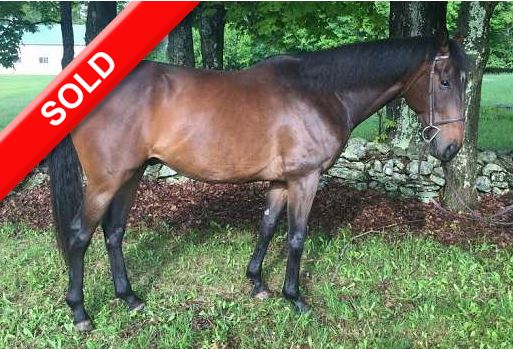
What is Up Next for the Horse Market?
April 2, 2023
If you’ve had anything to do with horses in the last couple years, you know that the horse market has been absolutely bonkers. In 2020 it was easy to find a quiet project horse for a few hundred dollars; now there is next to nothing available for less than a couple thousand dollars. And those $2k horses are 19-year-old, grade trail horses that are only sound eighty percent of the time. Depending on breed and discipline, well trained and well-bred horses and selling consistently in the five figures.
As a certified equine appraiser, I have found this incredible upswing in the horse market really interesting mostly because it is completely industry wide. During COVID the equine industry saw a major boom; during the shutdown people had more free time on their hands, everyone felt more inclined to do things that they enjoyed (especially more outdoor activities), people had a little extra money from stimulus payments, and above all else, the pandemic was a time when the rich just got richer. The equine industry saw a major boom in general– more kids and adults were taking riding lessons, more people were leasing horses and of course more people were buying horses. Lesson farms and trainers had to buy and lease more horses to meet their demand, contributing more so to the supply and demand issue.
Like any market, the horse market is completely reliant on supply and demand. Starting in 2021 there were more people shopping for horses than there were horses available. Horses were being bought sight unseen, bought off video, and purchased for more than similar horses ever had before. Frankly, I am still utterly shocked that people were buying Thoroughbreds right off the track with no let down and no post track training for five, six, and seven thousand dollars and sometimes more. The perceived value that these buyers brought to the market caused the actual market values to increase. In 2022 it was absolute chaos for horse shoppers; affordable horses for people that didn’t have an unlimited budget were extremely difficult to find, especially here in the Northeast. The horse market was doing so well that places like schools and therapy programs who rely on horses by donation were struggling because horses were bringing such high price tags that sellers weren’t even considering donation as a means to rehome. The horse market was booming so much that tax write offs weren’t enough incentive to encourage donations.
Just in the last few months we are finally starting to see prices come back down, and if I had to predict, I’d say prices for pleasure riding horses will continue to fall over the next year or so. The horse world has very much so become a luxury to many Americans so we will see a reverse relationship between the horse market and the general economy. With inflation hitting us middle class people hard, we’re already seeing an influx of horses hitting the market. Initially sellers were listing horses for what they purchased them for, but the harsh reality is that a lot of people are going to take a loss on these horses. Truthfully, the average amateur owner will not own a horse that appreciates in value, especially in a market that is in rapid decline (sorry to those of you whose feelings that might hurt).
Now, don’t get your hopes up too much; I think that if ever, it will take a long, long time for the horse market to return to where it was in 2018 for example. Gone may be the days where you can buy a papered broodmare for $1k or a sane, sound trail horse for $2k. The market might honestly never come back down for those well-bred, proven horses that are elite in their given disciplines. The horses that are marketed to the wealthy buyers, and the riders with numerous wealthy sponsors are going to remain at astronomical prices, possibly indefinitely.
I’m truly interested to see what happens to the market in time—but my two cents are that we will see prices and values continue to fall through the end of the year, and possibly beyond.
Thanks for being here!
Sam

Your Horse Should be Outside
March 28, 2023
For my first real blog post I wanted to start with something that I am really passionate about, and that is horses getting enough turnout, and ideally even living outside full time. Now, before I get on my soap box, I know that not every single horse on earth can handle living out 24/7 – I myself am caring for a few horses that are stalled at night. Don’t come at me because you have a 35 year old horse with no teeth, low bodyfat, and a hatred of rain; I get it, I do too. On this topic I am speaking generally. Are there outliers? Of course, there are. But in general, most horses are happier and healthier when they live outside, and these are the horses that I want to talk about.
Before we really get into it, I want you to think about the evolution of the horse and human relationship. Prior to domestication horses were completely nomadic, nocturnal animals that were constantly on the move, and living in small herds called bands. A horse’s entire body is designed to constantly digest small amounts of fiber while being alert and agile enough to identify and escape predators.
Since horses were domesticated some six-thousand years ago, their digestive anatomy has evolved very little. While yes, many different breeds have developed all with their unique breed standards – these characteristics are primarily cosmetic. What is the same for every horse on earth is that they are non-ruminants, or hind-gut fermenters. This type of digestive tract is designed to eat small meals frequently; and that goes for all breeds, shapes, sizes, and ages.
At this point you might be asking yourself, “what does this even have to do with turnout?”. Great question! An important aspect of digestion for horses is walking. Walking around helps a horse’s gut motility and just minimal walking from foraging helps a horse avoid things like impactions and gas bubbles building up in their gut. Now I’m sure you’re catching my drift—at this point we have established that a horse’s anatomy is designed to one, eat many small meals through the day, and two, almost always keep moving.
Although I am sure there was no ill intention in the creation of the practice, I assume you can already see why locking a horse up in a 12X12 stall and feeding them three square meals a day is not ideal. Even just stalling a horse overnight is too much—the healthiest horses are not forced to be sedentary. The absolute best way to avoid major health issues in horses is to provide them constant access to good quality forage (this is relative for the horse at hand but that’s an article for another day) and to let them move and be horses. I could go on and on about a horse’s teeth, hooves, circulatory system, etc. and how they all point to the fact that horses are healthier with constant turnout, but above all the equine digestive system is not designed to be locked up in a small space.
If you are reading this and decide you are convinced your horse needs more time outside, great! I’m sure you are right! However, please remember to make any changes to your horse’s life subtly as stress is one heck of a beast to our equine friends, but again, that’s a blog for another day.
Thanks for being here!
Sam
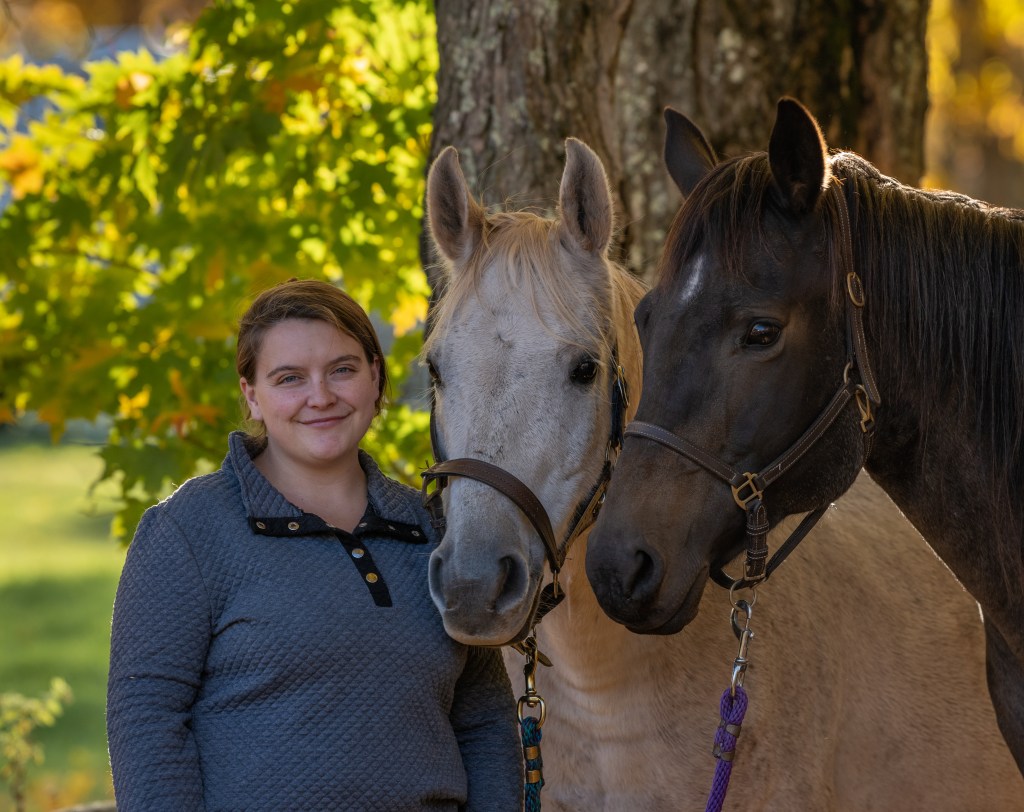
Why a Blog?
March 25, 2023
Welcome to this sites new Blog Page! I recently decided to start a blog – I like to write, and I want to have some informal discussions about some of the topics I know a lot about. I have professional experience in both the hands-on and support sectors of the equine industry and I feel there is a lot to discuss in both aspects of the horse world.
I am going to share with you a lot of what worked well for me, and maybe some things that did not work so well as the owner and manager of a 40 plus horse boarding facility. Currently I am only boarding 5 horses in addition to caring for my own, but I have a lot of knowledge about caring for horses with a lot of unique different needs. I’ve done a little bit of everything ranging from broodmare care and foaling, disease treatment and management, and equine rehabilitation, to name a few. I am really passionate about caring for horses the way that their bodies were intended. The more turnout the better—I’m sure I’ll lecture on this more than once.
Besides the actual care of the horses, I also have a lot to contribute towards discussions of business management and customer service in the boarding business. I feel that the equine industry is unique in the way that often, customers proclaim themselves as experts, even though they are paying an actual expert for a service. While yes, many horse owners are amazing and well educated, there are SO MANY who really need the advice they’re given from equine care professionals. I got to the point over the years that I would rather loose a customer than people please to the point where the care the horse was receiving wasn’t to a standard that I found appropriate or healthy. I think there is a real “kill them with kindness” epidemic in the horse world, and I found it better to loose a customer than contribute to a horses insulin resistance issues or lameness issues.
Now that I am primarily working in the support sector as an appraiser and publisher, I have a lot of insight to add on equine current events, hot products and current trends. I love to report on and publish medical, management and training articles but I don’t tend to offer my own opinion, and this blog will allow me the outlet to do that. One of my first few blogs will focus on how insane the horse market has been – a really fun topic for me given my appraiser training.
Lastly, this blog is going to become a place for product reviews and gift guides. I want to share some of my favorite things and help promote some of the businesses that I love, and I also want to create a column of “I tried it so you don’t have to”. I’ve seen similar blogs/ videos outside the horse industry and I’d like to bring it to this space because put plainly, who wants to buy something (something expensive no less) when no one you know has bought or tried it. Products in the future might range from tack, apparel or farm and stable supplies and equipment. I’ll be the guinea pig and report back honestly on what I love and what might not be worth the price.
Thanks for being here!
Sam
 SS Equestrian Services